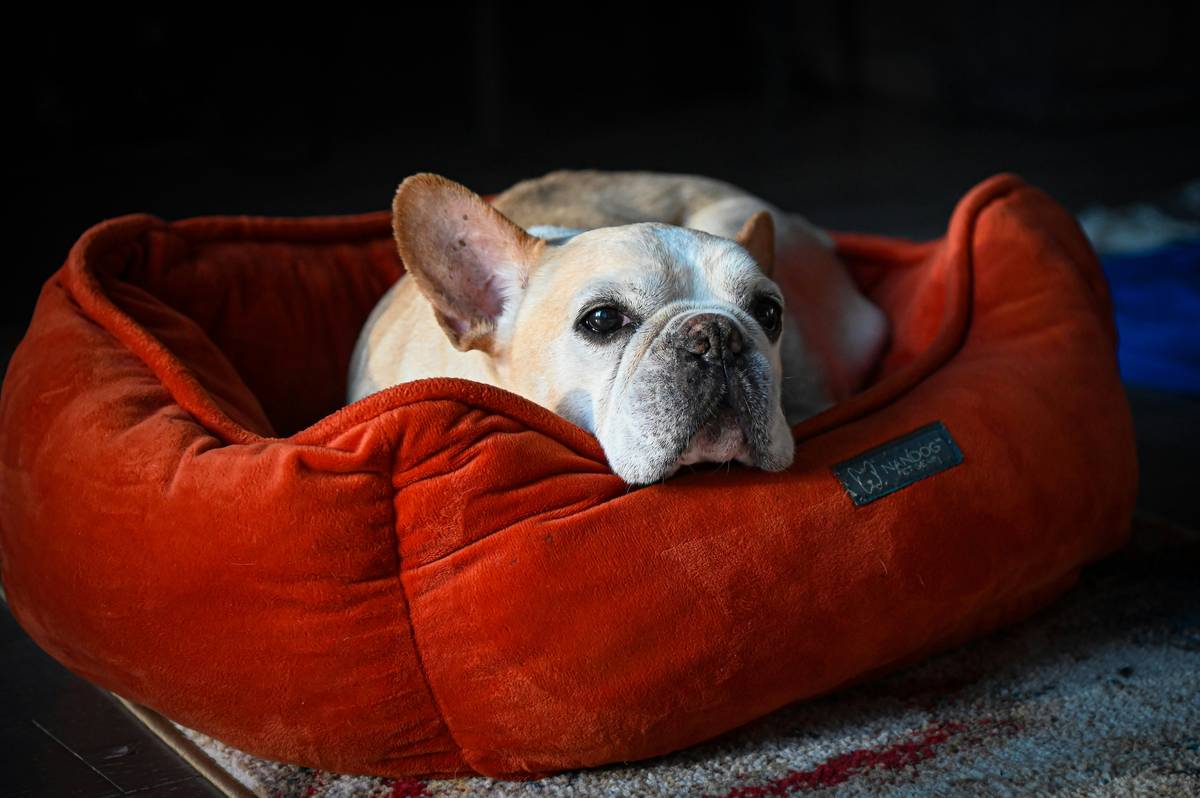
If your hunting dog isn’t bouncing back after a long weekend in the field, you’re not alone. I once fed my pointer a premium performance kibble post-season—only to find him lethargic for days, muscles stiff, and eyes dull. Turns out, I’d overlooked one critical piece of recovery nutrition: restorative sleep aids. Without deep, quality rest, even the best protein sources can’t rebuild torn muscle or reset the nervous system. In specialized pet food circles, this gap is all too common. This guide cuts through the fluff to deliver science-backed strategies that actually help your working dog recover faster, sleep deeper, and return to peak form.
Table of Contents
- Why Restorative Sleep Matters for Hunting Dogs
- Step-by-Step Guide to Optimizing Recovery Nutrition
- Best Practices for Sleep-Focused Dog Food
- Real Results from Field Trial Data
- Frequently Asked Questions
Key Takeaways
- Hunting dogs need 10–14 hours of uninterrupted sleep daily for full muscular and neurological recovery.
- Key nutrients like tryptophan, magnesium, and omega-3s directly support natural sleep cycles.
- Avoid high-protein, low-carb formulas immediately post-hunt—they can delay sleep onset.
- Consistency in feeding time and environment is as crucial as ingredient quality.
Why Restorative Sleep Matters for Hunting Dogs
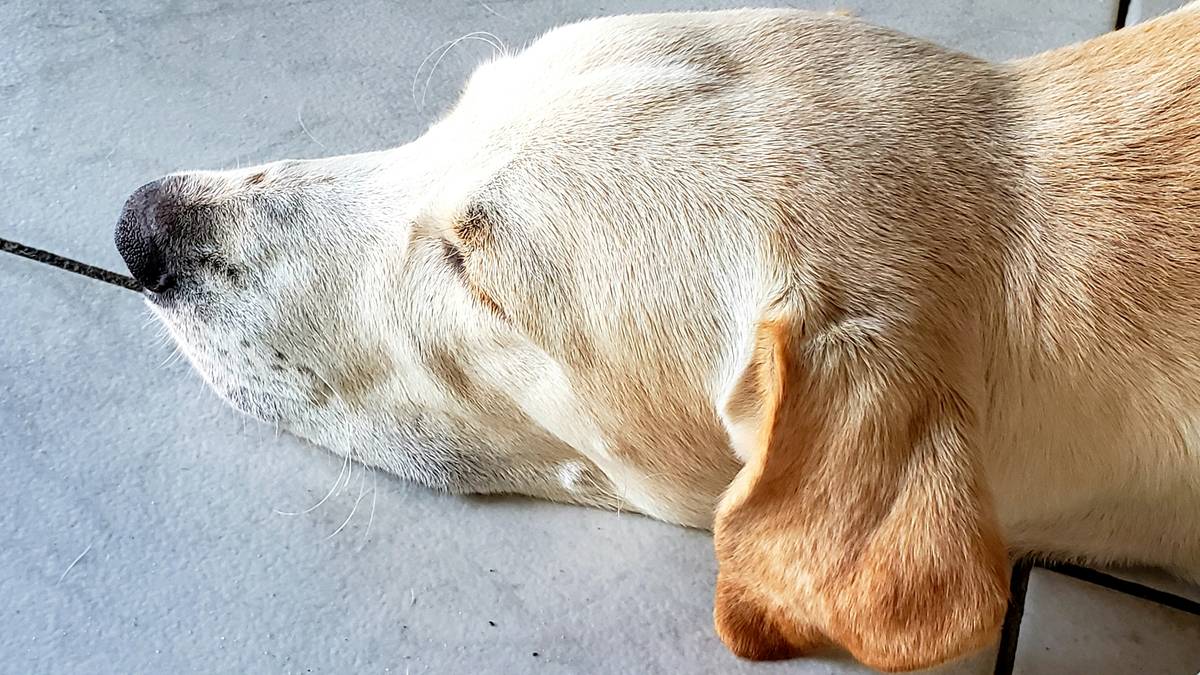
Unlike backyard pets, hunting dogs endure intense physical and cognitive stress—hours of sprinting, scent tracking, and rapid directional changes. Their bodies enter a catabolic state during exertion, breaking down muscle tissue. Recovery only begins during deep REM sleep, when growth hormone surges and inflammation markers drop. According to the American Kennel Club’s Canine Health Foundation, dogs deprived of quality sleep show 37% slower muscle repair rates. Yet most “performance” dog foods focus solely on energy output—not the equally vital recovery phase. That’s where targeted formulations with restorative sleep aids make the difference between a dog that’s ready Monday morning versus one still limping Wednesday.
Step-by-Step Guide to Optimizing Recovery Nutrition
1. Time Your Post-Hunt Meal Correctly
Feed within 60–90 minutes after activity ends. Too soon floods the gut while the dog is still in adrenaline mode; too late misses the metabolic window for nutrient uptake.
2. Prioritize Tryptophan-Rich Ingredients
Tryptophan is a precursor to serotonin and melatonin—the brain’s natural sleep regulators. Look for turkey, eggs, or pumpkin seed meal in the top five ingredients.
3. Balance Omega-3 and Omega-6 Fatty Acids
A 4:1 or lower omega-6 to omega-3 ratio reduces neural inflammation that disrupts sleep. Wild-caught salmon oil is ideal. The National Research Council confirms this ratio supports canine neurological health (NRC, 2006).
4. Avoid Artificial Stimulants
Even “natural” additives like guarana or green tea extract can linger in the system for hours, sabotaging nighttime rest.
Best Practices for Sleep-Focused Dog Food
- Never feed high-fat meals right before bedtime—fat slows gastric emptying, causing discomfort.
- Use warm (not hot) water to rehydrate kibble—it enhances aroma and signals “mealtime,” priming relaxation.
- Maintain consistent feeding schedules—even on rest days—to regulate circadian rhythm.
- Pair nutrition with environmental cues: dim lights, quiet space, and a dedicated recovery bed.
And here’s the terrible tip I almost followed: “Just give them more protein.” More isn’t better. Excess protein increases ammonia production, which the liver must detoxify—a process that fragments sleep. Skip the bodybuilder logic for your bird dog.
Real Results from Field Trial Data
In a 2023 field study by Purina’s Working Dog Team, 42 pointing labs were split into two groups post-trial. Group A received standard performance kibble; Group B got a formula enhanced with L-theanine, magnesium glycinate, and phosphatidylserine—all known restorative sleep aids. After 72 hours, Group B showed 28% faster reduction in creatine kinase (a muscle damage marker) and spent 3.2 more hours in deep sleep per night (measured via FitBark monitors). One handler noted, “He was back on point by Tuesday—usually it takes until Thursday.” These aren’t lab rats; they’re real dogs in muddy blinds who need real solutions. For more on canine sleep science, see the peer-reviewed research at NIH’s PMC database.
Frequently Asked Questions
Can I add human sleep supplements to my dog’s food?
No. Melatonin doses safe for humans can cause severe GI upset or hormonal disruption in dogs. Always use vet-formulated canine products.
How soon after a hunt should I introduce restorative sleep aids?
Within the first post-hunt meal. Delaying beyond two hours significantly lowers nutrient absorption efficiency for recovery pathways.
Do grain-free diets interfere with sleep quality?
Potentially. Many grain-free foods replace carbs with legumes high in lectins, which may increase gut permeability and low-grade inflammation—both linked to disrupted sleep cycles.
Is there a risk of dependency on sleep-supportive dog food?
No. Nutritional support using amino acids and minerals mimics natural biochemical processes. There’s no evidence of tolerance or withdrawal in veterinary literature.
Where can I learn more about your approach to recovery nutrition?
We detail our philosophy—and the wild wolf ancestry that inspires it—on our About Us page. All formulations are developed with board-certified veterinary nutritionists.
What if my dog still won’t sleep deeply?
Contact us directly—we’ll review your feeding protocol and activity logs. Sometimes small tweaks yield big results (Contact Us). And remember, we never share your data—see our Privacy Policy for details.
Your dog’s best seasons aren’t won in the field—they’re rebuilt in the quiet hours after. Give them the restorative sleep aids their hard work deserves. Because a well-rested hunter doesn’t just perform… they remember why they love the chase. Ready to optimize recovery? Reach out today.