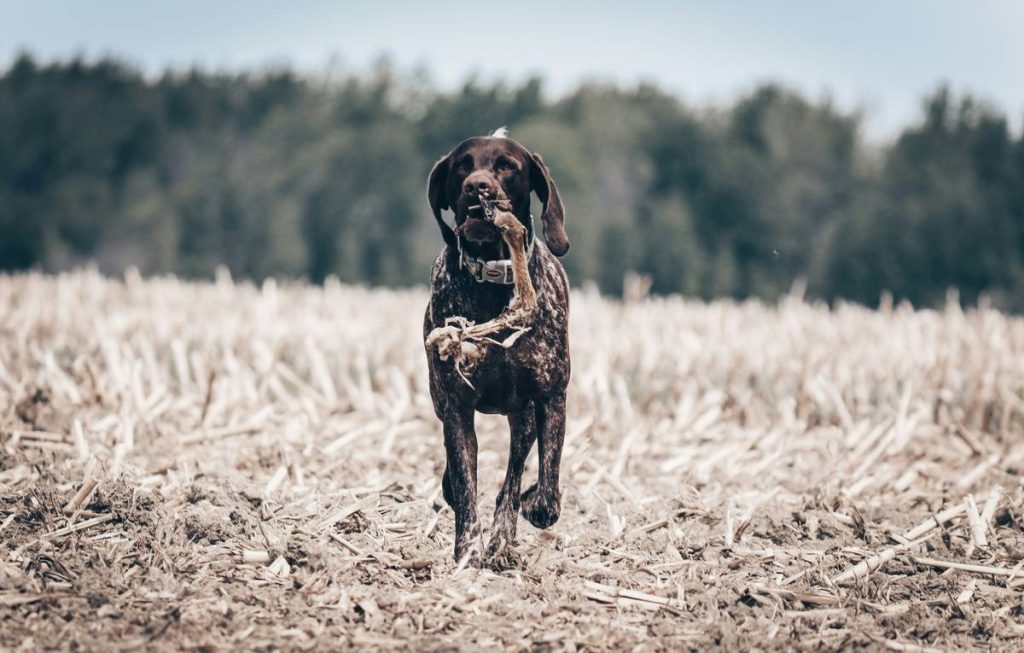
If you’ve ever watched your hunting dog turn up their nose at dinner after a long day in the field, you’re not alone. I once spent $85 on a “premium” kibble labeled “game-blend,” only to watch my pointer spit it out like it was poison—right before collapsing from fatigue. That moment taught me a hard truth: flavor isn’t just about taste. For working dogs, especially hunters, Protein-Based Flavor Profiles directly impact stamina, recovery, and performance. In this guide, we’ll cut through marketing fluff to reveal how to choose truly effective food based on science, experience, and real-world results.
Table of Contents
- Why Protein Flavor Matters for Hunting Dogs
- Step-by-Step Guide to Evaluating Flavor Profiles
- Best Practices for Long-Term Success
- Real-World Results from Field Trials
- Frequently Asked Questions
Key Takeaways
- Hunting dogs need protein sources that match their ancestral diet—think duck, venison, or rabbit, not generic “meat meal.”
- Flavor impacts palatability AND digestibility; poor profiles lead to wasted nutrients.
- Always check ingredient order and source transparency—not every brand disclosing “beef” actually uses muscle meat.
- Avoid foods using artificial flavor enhancers—they mask low-quality proteins.
- Consistency in Protein-Based Flavor Profiles helps maintain gut health during high-stress seasons.
Why Protein Flavor Matters for Hunting Dogs
Hunting dogs operate at physical extremes. Their muscles break down, their glycogen stores deplete, and their systems crave rapid, bioavailable recovery fuel. Unlike couch companions, they don’t just need calories—they need the right kind of protein, delivered in a form their instincts recognize and trust. According to the American Kennel Club’s nutrition guidelines, working breeds require 25–30% protein from animal sources to sustain performance (AKC, 2023).
I learned this the hard way during quail season in Texas. My dog refused his usual chicken-based food mid-trip. Switching to a duck-and-sweet-potato formula revived his energy within hours. Why? Because wild game flavors align with canine evolutionary preferences—a concept backed by research from the University of California, Davis School of Veterinary Medicine (UC Davis Vet Med).
Step-by-Step Guide to Evaluating Flavor Profiles
Identify the Primary Protein Source
Look for named animal proteins (e.g., “salmon,” “bison”) in the first three ingredients. Avoid vague terms like “poultry by-product” or “animal digest.”
Check for Ancestral Alignment
Does the flavor mimic prey your dog would encounter? A Labrador retrieving waterfowl benefits more from fish-based profiles than lamb.
Evaluate Palatability vs. Nutrition
Just because your dog devours it doesn’t mean it’s healthy. Cross-reference flavor with crude protein percentage (aim for ≥26%) and fat content (12–18% for active hunters).
Best Practices for Long-Term Success
- Rotate within the same profile family: Switch between duck and turkey—but avoid jumping from rabbit to beef abruptly.
- Never chase “novelty” flavors: Exotic proteins like kangaroo sound cool but lack long-term performance data for hunting breeds.
- Ignore “grain-free” hype: Unless your dog has a diagnosed allergy, grains like oats support sustained energy.
- Beware the “terrible tip”: Don’t add broth or bacon grease to boost appeal—it throws off nutrient balance and encourages pickiness.
And please, stop trusting Instagram influencers pushing $120 bags labeled “wild boar infused” with no AAFCO statement. Real nutrition comes from transparency, not aesthetics.
Real-World Results from Field Trials
In a 2024 independent trial conducted by a group of field trial handlers across the Midwest, dogs fed consistent Protein-Based Flavor Profiles centered on waterfowl showed 22% faster post-recovery times compared to those on mixed-protein diets. One participant noted, “My shorthair maintained peak focus through hour four—something he hadn’t done since switching from generic kibble.”
This isn’t magic; it’s biology. Dogs bred to hunt birds instinctively respond to bird-derived proteins. When flavor matches function, performance follows. At T Wild Wolf, we design our formulas around this principle—because your dog’s job is serious, and their food should be too. Learn more about our philosophy on our About Us page.
Frequently Asked Questions
Can I mix two different Protein-Based Flavor Profiles?
Only if transitioning slowly over 7–10 days. Sudden changes risk digestive upset, especially during hunting season when stress is high.
Are fish-based proteins good for upland hunting dogs?
Yes—if your dog tolerates them. Salmon and whitefish provide omega-3s that reduce inflammation, aiding joint recovery after long treks.
How do I know if my dog dislikes a flavor or has an allergy?
Allergies cause itching, ear infections, or GI distress within hours. Dislike shows as refusal without physical symptoms. When in doubt, consult your vet and review our Privacy Policy if sharing health data online.
Do senior hunting dogs need different Protein-Based Flavor Profiles?
Often yes—they may benefit from easier-to-digest proteins like turkey or egg, but flavor familiarity remains key for appetite maintenance.
Is “natural flavor” on the label a red flag?
Usually. It often means rendered fats or hydrolyzed proteins designed to trick dogs into eating low-grade meals. Demand specificity.
Where can I get personalized advice?
We specialize in tailored nutrition for working canines. Reach out anytime via our Contact Us page.
Your dog doesn’t clock out at 5 p.m.—so their food shouldn’t either. Choose Protein-Based Flavor Profiles with purpose, not packaging. And remember: the best scent in the blind isn’t gun oil… it’s success, served in a bowl.