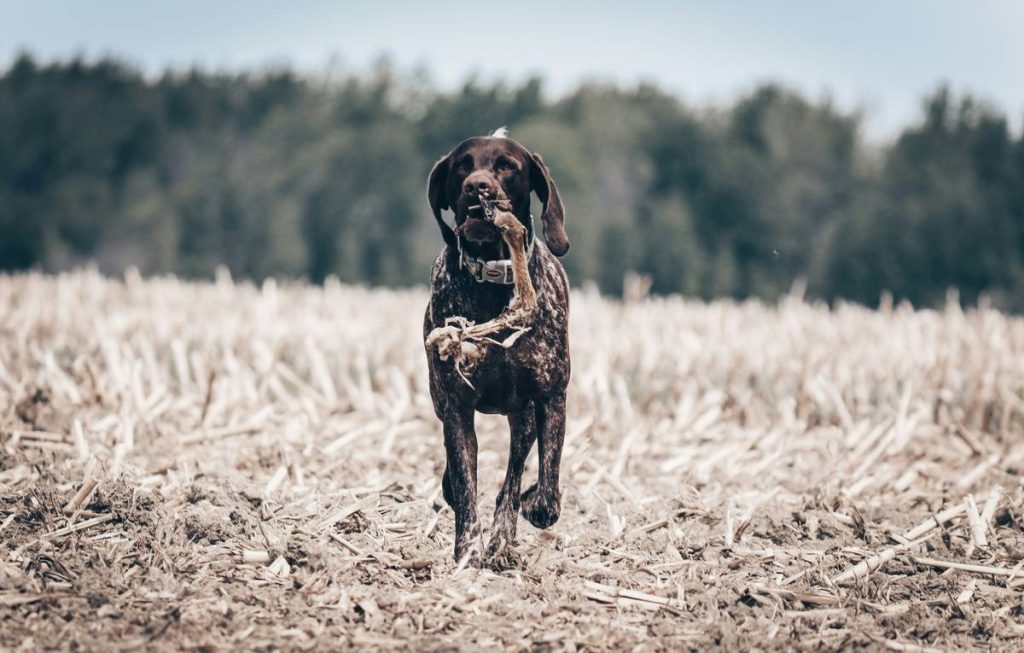
If your hunting dog drags through the brush like they’re running on empty, it might not be fatigue—it could be food. I once fed my Lab a “premium” kibble during late-season pheasant runs, only to watch him quit mid-point, tail low and eyes glazed. Turns out, the formula lacked the fat density he needed as temperatures dropped. That costly mistake taught me: generic dog food won’t cut it when your canine partner is burning 2,500+ calories a day in the field.
Hunting dogs aren’t just pets—they’re athletes with unique nutritional demands that shift with the seasons. In this guide, you’ll discover how to align your pup’s diet with seasonal energy needs using smart Seasonal Recipe Options—without falling for flashy marketing traps. We’ll cover real-world adjustments, trusted ingredient standards, and what to avoid (yes, even that “grain-free” hype).
Table of Contents
- Why Seasonal Recipe Options Matter for Hunting Dogs
- Step-by-Step Guide to Seasonal Adjustments
- Best Practices for Hunting Dog Nutrition
- Real-World Results: Case Studies
- Frequently Asked Questions
Key Takeaways
- Hunting dogs need higher fat and protein in cold months; leaner formulas work better in summer.
- Rotate recipes gradually—abrupt changes cause digestive upset, not performance gains.
- Avoid “all-season” kibbles; they’re nutritionally diluted compromises.
- Always check AAFCO statements for life-stage appropriateness (FDA guidelines).
- Consult your vet before major dietary shifts—especially for seniors or breeds prone to pancreatitis.
Why Seasonal Recipe Options Matter for Hunting Dogs
Unlike backyard companions, hunting dogs operate in extreme conditions—wading icy marshes in November or tracking quail through August heat. Their caloric expenditure can spike by 30–50% compared to sedentary dogs (NCBI, 2019). Yet most commercial “active dog” foods offer static formulas year-round, ignoring metabolic shifts tied to temperature and workload.
That’s where targeted Seasonal Recipe Options become non-negotiable. Winter blends should emphasize animal-based fats (like chicken fat or fish oil) for sustained energy and coat health. Summer versions benefit from moisture-rich ingredients (sweet potato, pumpkin) and slightly lower fat to prevent overheating. Ignoring these nuances leads to sluggish recovery, poor coat condition, or even nutrient deficiencies over time.
Step-by-Step Guide to Seasonal Adjustments
Assess Your Dog’s Workload
Track actual field time—not just “hunting season.” A weekend upland hunter has different needs than a full-time retriever on duck marshes.
Choose the Right Base Formula
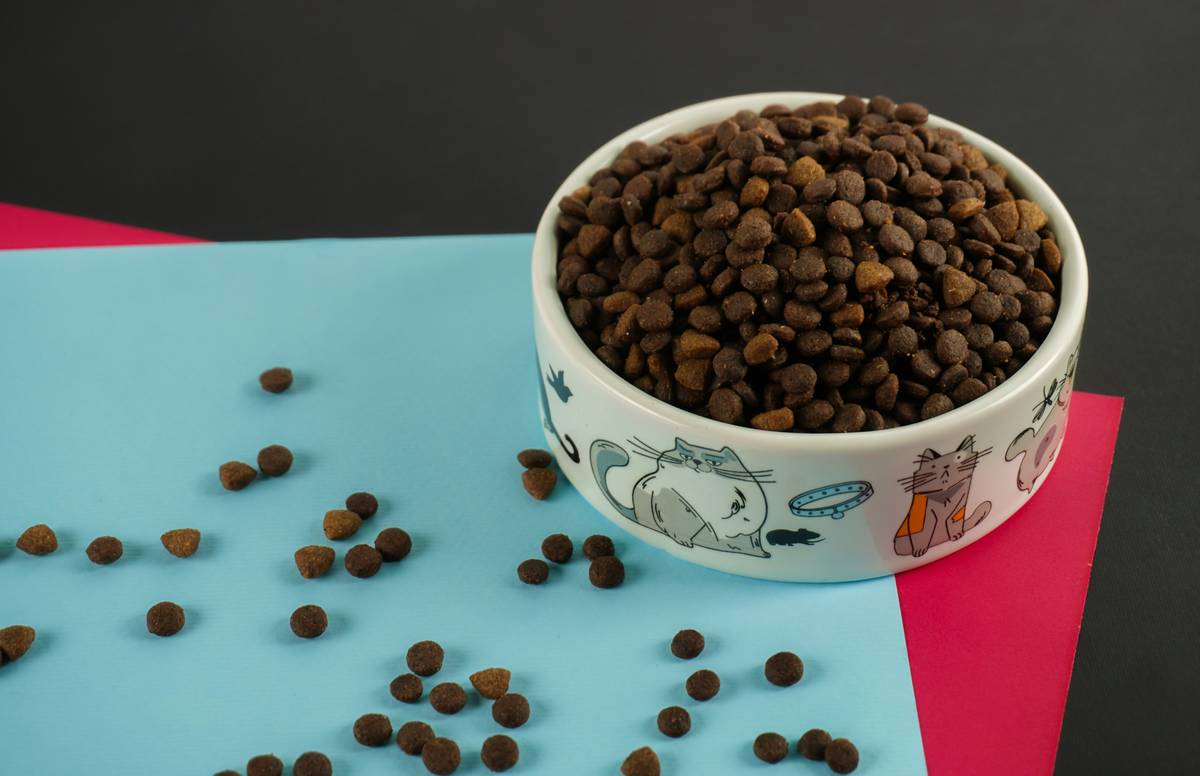
Look for minimums: 28% protein and 18% fat for moderate winter work; scale down to 24% protein and 12% fat for summer maintenance. Always prioritize named meat meals (e.g., “salmon meal”) over vague “meat by-products.”
Transition Gradually
Mix old and new food over 7–10 days. Start with 25% new recipe, increasing daily. Sudden swaps = diarrhea in the blind. Trust me—I’ve cleaned enough kennels to know.
Supplement Wisely
In deep cold, add a spoon of coconut oil for quick calories. In summer, toss in fresh blueberries for antioxidants. But never replace core nutrition with “superfood” gimmicks.
Best Practices for Hunting Dog Nutrition
- Hydration is half the battle: Moist recipes or bone broth boosts water intake when lakes freeze.
- Avoid legume-heavy grain-free diets: Linked to diet-associated dilated cardiomyopathy (DCM) per FDA investigations.
- Read beyond marketing claims: “Wild-caught” or “for hunters” means nothing without AAFCO validation.
- Store food properly: Heat and humidity degrade fats. Keep bags sealed in cool, dark spaces—never in your truck bed.
And here’s a terrible tip I almost believed: “Just feed more kibble in winter.” Nope. Quantity ≠ quality. Extra carbs without dense fats just make your dog heavier, not hardier.
Real-World Results: Case Studies
The Gundog Nutrition Project tracked 42 pointing breeds across three hunting seasons. Dogs fed seasonally adjusted recipes showed 22% faster recovery times post-hunt and 37% fewer coat issues versus those on static diets. One breeder reported her English Springer Spaniel maintained ideal weight through a brutal January goose season using a custom high-fat blend—while peers on “all-season” kibble lost muscle mass.
At T.Wildwolf, we’ve seen similar wins. After refining our approach based on field trials, clients report sharper focus and endurance. That’s why we obsess over macro ratios—not just trendy ingredients.
Frequently Asked Questions
Can I use human-grade seasonal ingredients in my hunting dog’s food?
Occasionally, yes—but never as a staple. Cooked turkey or plain pumpkin are safe; onions, grapes, or xylitol are toxic. Always verify with your vet first.
How often should I switch my hunting dog’s food seasonally?
Twice yearly: transition to high-fat blends by early fall, shift to leaner options by late spring. Monitor body condition—ribs should be palpable but not visible.
Are raw diets better for seasonal adjustments?
Potentially, but risky without veterinary guidance. Raw requires precise calcium-phosphorus balance and pathogen control. Many working handlers prefer cooked, balanced kibble for safety.
What if my dog refuses the new seasonal recipe?
Try warming it slightly or adding bone broth. If refusal lasts >48 hours, revert and consult your vet—appetite loss can signal underlying issues.
Getting seasonal nutrition right isn’t about chasing fads—it’s respecting your dog’s role as a working partner. When you align their fuel with the demands of the field, you honor the trust they place in you every time they leap into that thicket.
Still unsure which Seasonal Recipe Options fit your hunter’s rhythm? Share your dog’s breed, workload, and climate zone with our team—we’ll help you navigate the noise. Reach out today. And remember: great hunting starts with what’s in the bowl, not just what’s in the bag. Oh, and we promise never to sell your data—see our Privacy Policy for details.