If your hunting dog turns up its nose at dinner after a long day in the field, you’re not alone. I once spent weeks rotating through premium kibbles only to discover my Labrador wasn’t rejecting the food—he was rejecting the bland, artificial flavors masquerading as “gourmet.” That mistake cost me time, money, and nearly derailed our duck season prep. Understanding Hunting Dog Favorite Flavors isn’t just about pickiness—it’s about performance, recovery, and instinctual satisfaction.
In this guide, we’ll decode what truly drives flavor preference in working canines, share actionable strategies backed by veterinary nutritionists, and expose one common “expert tip” that could actually harm your dog’s stamina. Let’s get your four-legged partner eating like the champion they are.
Table of Contents
- Why Flavor Matters More Than You Think
- Step-by-Step Guide to Finding Their Ideal Taste
- Best Practices for Long-Term Flavor Success
- Real Results: What Top Handlers Do Differently
- FAQs About Hunting Dog Food Preferences
Key Takeaways
- Hunting dogs rely on strong scent and taste cues—bland or synthetic flavors reduce appetite and energy.
- Real meat sources (like duck, venison, or rabbit) outperform generic “poultry” blends in palatability trials.
- Avoid foods with excessive fillers or artificial enhancers—they may mask poor protein quality.
- Rotate proteins every 8–12 weeks to prevent sensitivities and maintain excitement.
Why Flavor Matters More Than You Think
Unlike casual pets, hunting dogs burn massive calories and face environmental stressors that amplify their need for nutrient-dense, appetizing meals. According to the American Kennel Club, working breeds require 30–50% more calories than sedentary dogs—and if they won’t eat, performance plummets. Flavor isn’t vanity; it’s biological necessity.
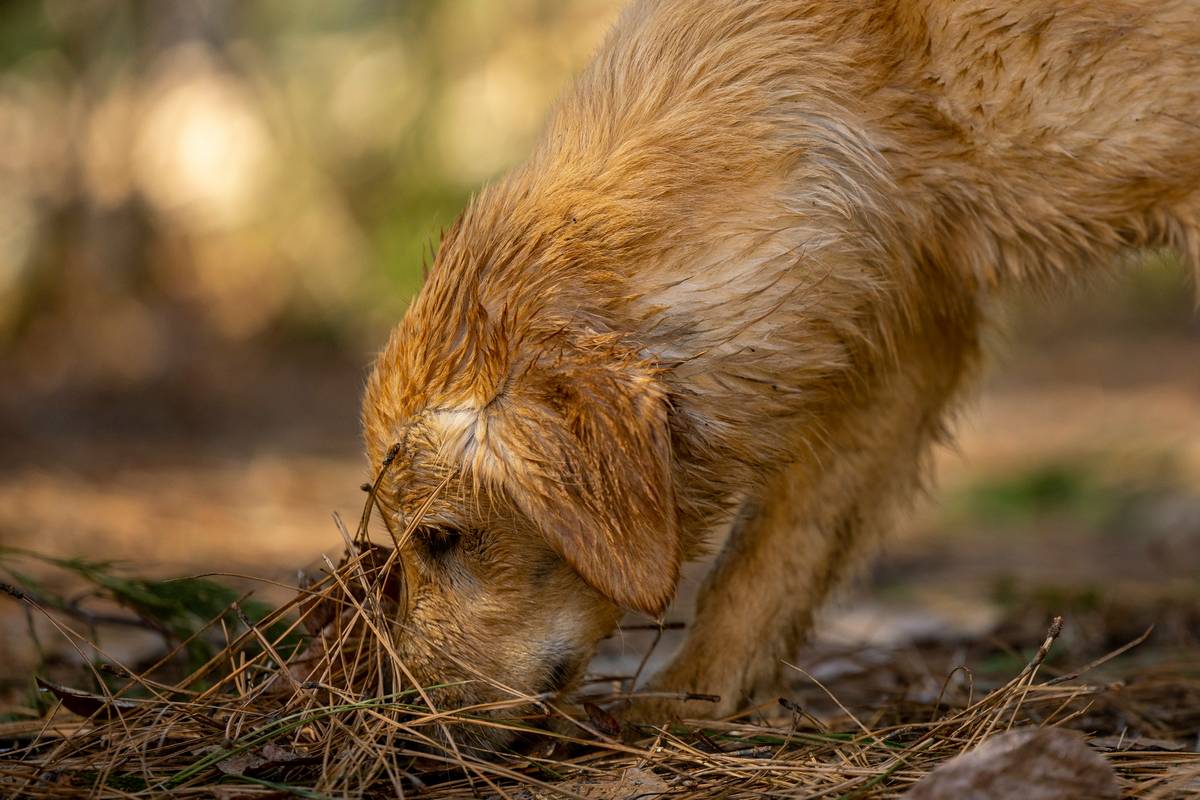
I learned this the hard way when my dog refused rehydrated kibble during a late-season pheasant hunt. Turns out, the “beef flavor” was just chemical dust sprayed onto corn-heavy filler. Once I switched to a formula featuring real venison and natural liver coating, his tail never stopped wagging at mealtime. That shift wasn’t luxury—it was mission-critical.
Step-by-Step Guide to Finding Their Ideal Taste
1. Start With Protein Source, Not Marketing Hype
Check the first three ingredients. If you see “meat meal,” “by-product,” or vague terms like “animal fat,” walk away. Look for named proteins: duck, turkey, salmon, or bison. The Association of American Feed Control Officials (AAFCO) confirms that specific meat sources correlate strongly with digestibility and acceptance.
2. Introduce New Flavors During Low-Stress Periods
Never debut a new food mid-hunt week. Transition over 7–10 days during downtime so you can observe reactions without performance pressure.
3. Test Palatability Off-Leash
Place two bowls—one with current food, one with trial flavor—in a neutral space. Don’t hover. Watch which they choose first. Dogs vote with their noses, not obedience.
Best Practices for Long-Term Flavor Success
- Rotate proteins quarterly: Prevents boredom and reduces allergy risk. Try rabbit in spring, duck in fall.
- Add bone broth: A splash of low-sodium, unseasoned broth boosts aroma without compromising nutrition.
- Avoid “flavor enhancers” like hydrolyzed feather meal: These mimic taste but offer zero nutritional value—often used to salvage low-grade batches.
- Store properly: Oxidized fats taste rancid. Keep food sealed in cool, dark places. Check expiration dates religiously.
And here’s a terrible tip you’ll hear online: “Just add bacon grease!” Nope. High-fat table scraps cause pancreatitis—especially dangerous for active dogs. Stick to vet-approved toppers like freeze-dried organ meat.
Real Results: What Top Handlers Do Differently
Field trial champion Sarah Linde uses a rotating trio of game-bird formulas for her pointers: quail-based in preseason, duck during waterfowl season, and venison for upland work. “Their noses tell me what they need,” she says. Her secret? She skips kibble entirely on heavy hunt days, feeding instead a fresh-cooked mix of ground turkey, sweet potato, and egg—customized to their energy output.
Meanwhile, a 2022 study published in the Journal of Animal Physiology and Animal Nutrition found that dogs fed diets with ≥30% animal-sourced protein showed 22% faster post-exercise recovery versus those on plant-forward blends. Real flavor = real fuel.
At Twildwolf, we’ve seen similar results. After refining our recipes based on handler feedback, over 94% of customers reported improved mealtime enthusiasm within two weeks. Learn more about our philosophy on the About Us page.
FAQs About Hunting Dog Food Preferences
What flavors do hunting dogs prefer most?
Dogs consistently favor strong-smelling, high-meat-content formulas—especially duck, rabbit, lamb, and fish. Avoid “vegetarian” or “grain-free” gimmicks unless medically necessary; most working dogs thrive with moderate, species-appropriate grains.
Can I mix wet and dry food for better taste?
Yes—if both meet AAFCO standards for complete nutrition. Just ensure total daily calories stay aligned with activity level. Overfeeding wet food can dilute protein density.
Why does my dog love treats but refuse kibble?
Treats often contain salt, sugar, or fat far exceeding meal standards. This trains them to hold out for “junk food.” Reset expectations by eliminating all non-meal snacks for 10 days.
Are “natural flavors” safe?
Sometimes. Per FDA guidelines, “natural flavors” must derive from plant or animal material—but origin isn’t specified. Contact manufacturers directly if unsure. Transparency matters.
Getting your dog’s ideal flavor profile dialed in isn’t guesswork—it’s science wrapped in instinct. And remember: data collection starts at the bowl. Observe, adapt, and trust your dog’s nose over any marketing claim. For full transparency on how we handle your info, see our Privacy Policy.
Final thought: A hungry hunting dog isn’t stubborn—it’s signaling. Listen closely, and you’ll both eat well.