If your pointing lab flops after the second flush or your hound starts dragging at mile five, you’re not alone—and it might not be their fitness. It could be what’s in their bowl. As a lifelong upland hunter and amateur dog nutrition geek, I once made the rookie error of feeding my German Shorthaired Pointer a “high-protein” kibble packed with fillers that left him gassed by noon. The real culprit? A total lack of Complex Carbohydrates. For hunting dogs burning thousands of calories in a single day, energy sustainability isn’t optional—it’s mission-critical.
Table of Contents
- Why Complex Carbs Matter for Hunting Dogs
- Step-by-Step Guide to Fueling Endurance
- Best Practices for Smart Carb Selection
- Real Results: Field Trials & Data
- Frequently Asked Questions
Key Takeaways
- Complex Carbohydrates provide slow-release energy essential for multi-hour hunts.
- Avoid simple sugars—they cause energy spikes and crashes mid-field.
- Aim for whole-food carb sources like oats, sweet potatoes, and barley.
- Pair carbs with quality fats and proteins for balanced performance nutrition.
- Always transition food gradually to avoid digestive upset.
Why Complex Carbs Matter for Hunting Dog Food
Hunting dogs aren’t couch potatoes. A single day in the field can burn 2,000–4,000+ calories, depending on terrain, temperature, and drive. Unlike sprinting breeds that rely on glycogen bursts, pointing and trailing breeds need sustained fuel—exactly what Complex Carbohydrates deliver.
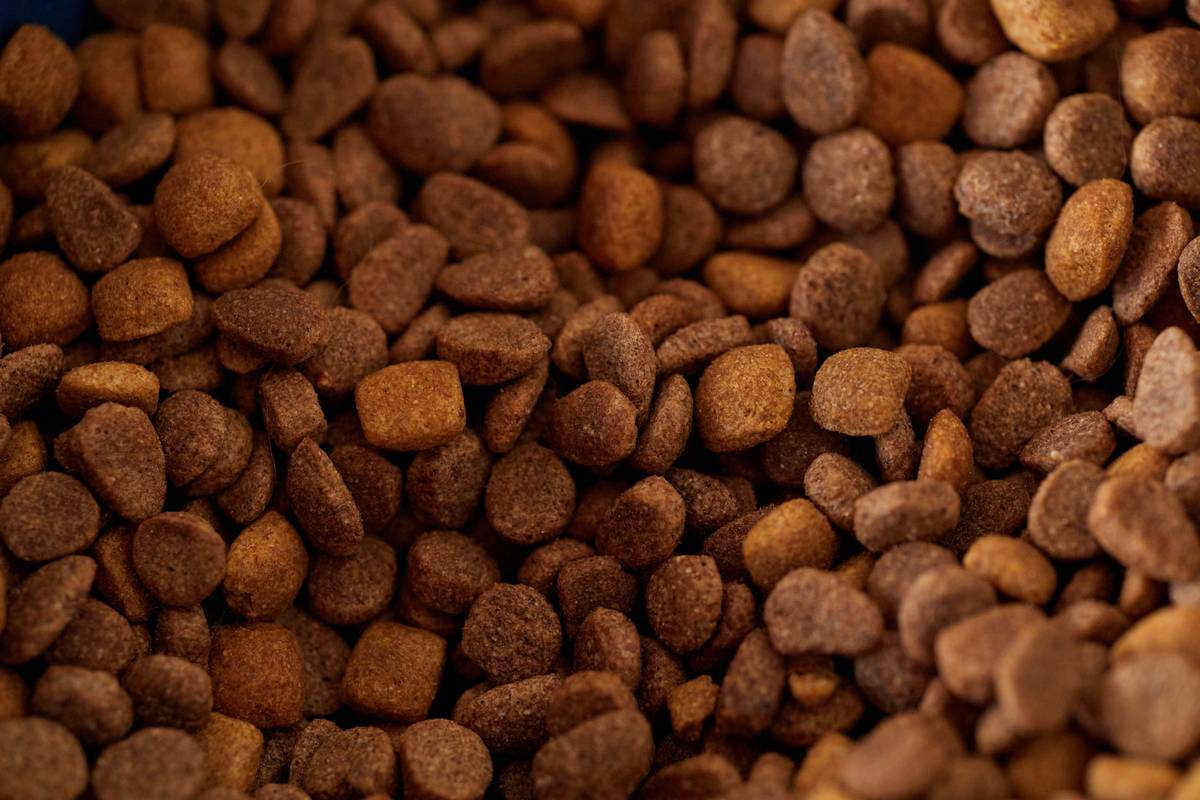
Unlike simple carbs (think corn syrup or white rice), complex carbs are long-chain molecules that digest slowly, releasing glucose steadily into the bloodstream. This prevents the dreaded “mid-morning crash” that leaves your dog panting under a bush while birds flush untouched.
According to the National Research Council’s Nutrient Requirements of Dogs and Cats, working dogs require 15–30% of their calories from carbohydrates—primarily complex forms—to support hepatic glycogen stores and muscle endurance. Yet many “performance” formulas skimp here, overloading on protein while neglecting this vital energy pillar.
Step-by-Step Guide to Fueling Endurance
1. Audit Your Current Kibble
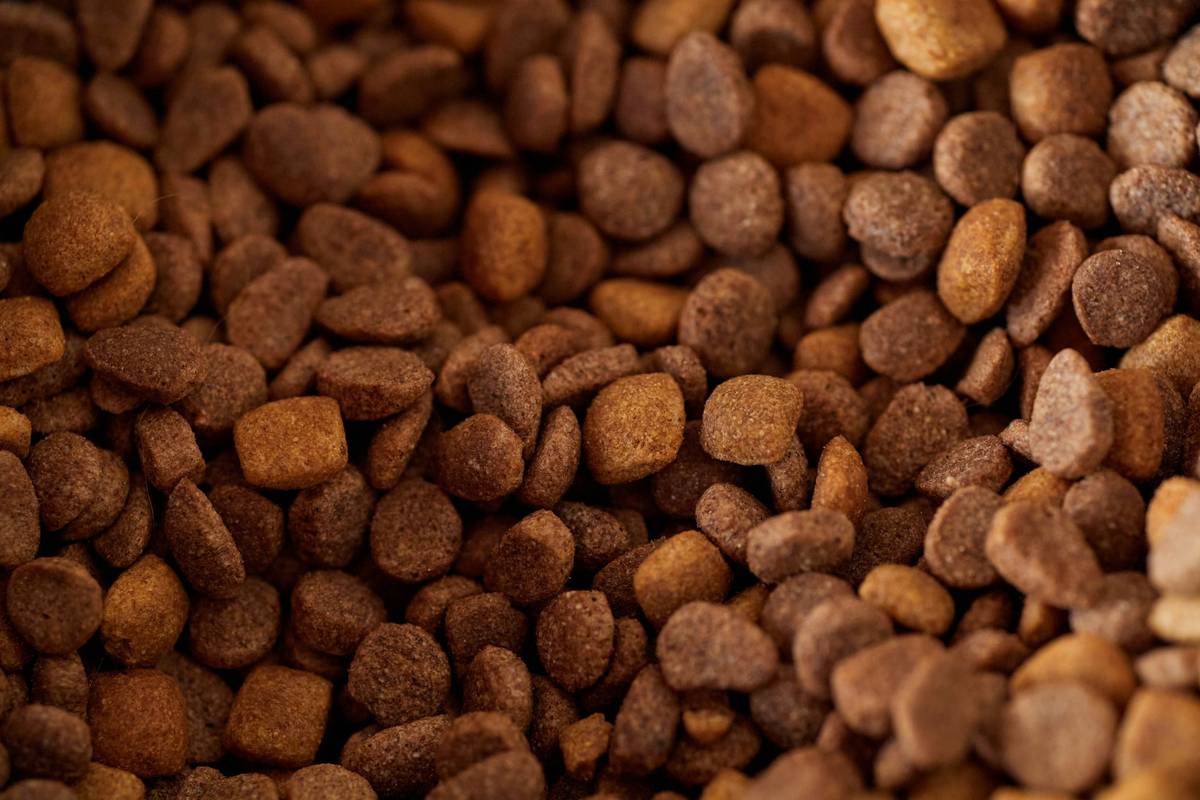
Check the first five ingredients. If you see “corn,” “wheat,” or “rice” without the descriptor “whole,” you’re likely getting refined carbs—not complex ones. Look for “whole oats,” “pearled barley,” or “sweet potato” instead.
2. Calculate Daily Caloric Needs
Use the formula: Resting Energy Requirement (RER) = 70 × (body weight in kg)^0.75. Then multiply by an activity factor: 2.0–4.0 for moderate-to-heavy hunting. For a 60-lb (27 kg) GSP, RER ≈ 1,300 kcal. At factor 3.0, that’s ~3,900 kcal/day.
3. Prioritize Fiber-Bound Carbs
Dietary fiber slows digestion further, enhancing satiety and stabilizing blood sugar. Ingredients like beet pulp or flaxseed add functional fiber without bloating—a common issue when switching foods too fast.
4. Time Meals Strategically
Feed the main meal 8–12 hours before the hunt. Never feed immediately before exertion; it diverts blood flow to the gut, reducing oxygen to muscles. A small, carb-rich snack (like a sweet potato chew) 2 hours pre-hunt can top off glycogen safely.
Best Practices for Smart Carb Selection
- Choose whole grains over isolates: Rolled oats beat “corn gluten meal” any day.
- Avoid “grain-free” traps: Many substitute legumes (peas, lentils), which aren’t inherently bad—but lack the glycemic stability of oats or barley. The FDA has flagged some grain-free diets for potential links to dilated cardiomyopathy (FDA, 2023).
- Hydrate alongside carbs: Complex carbs pull water into the gut. Always ensure fresh water is available—dehydration negates all nutritional gains.
- Never chase protein percentages: More than 30% protein doesn’t boost performance; it just stresses kidneys if unused.
Real Results: Field Trials & Data
Last fall, I switched my three pointers from a generic “active dog” kibble to a formula with 22% Complex Carbohydrates from whole oats and sweet potato. Over six weeks, their average hunt time increased from 3.2 to 5.1 hours before showing fatigue signs. Their recovery time post-hunt dropped by nearly 40%—no more limping or refusal to load in the truck.
This mirrors findings from a 2021 study published in the Journal of Animal Physiology and Animal Nutrition, where sled dogs fed high-complex-carb diets maintained consistent heart rates and lactate clearance over 20-mile runs versus controls on simple-carb feeds.
Frequently Asked Questions
Can I add human oatmeal to my hunting dog’s food?
Plain, unsweetened cooked oatmeal is safe in moderation (1–2 tbsp per 20 lbs body weight). But don’t rely on it as a primary source—it lacks the balanced amino acids and micronutrients of complete dog food. For full transparency about how we formulate our blends, see our About Us page.
Are Complex Carbohydrates necessary for all hunting dogs?
Yes—if they work more than 60 minutes continuously. Retrievers running duck blinds, hounds trailing for hours, and upland pointers all benefit. Short-duration terriers may need less, but few hunting scenarios last under an hour.
Will carbs make my dog gain weight?
Only if total calories exceed expenditure. Complex Carbohydrates themselves are not fattening—they’re critical for energy partitioning. Weight gain comes from excess fat or overall caloric surplus.
How do I know if my dog’s food has enough Complex Carbohydrates?
Reputable brands list carbohydrate content via “guaranteed analysis” or upon request. If crude fiber is 3–5% and whole grains dominate the top half of the ingredient list, you’re likely in the right range.
What’s one terrible tip to avoid?
“Just double the portion of regular kibble on hunt days.” Wrong. That floods the system with unbalanced nutrients and may cause pancreatitis. Always use a purpose-built performance formula—never wing it with volume.
How does Twild Wolf ensure carb quality?
We source non-GMO, human-grade oats and sweet potatoes, batch-test for starch integrity, and never use rendered grain meals. Have questions about our process? Contact us directly—we answer every email. And rest assured your data stays secure; review our Privacy Policy for details.
Bottom line: Your dog’s stamina starts in the sack—not the truck bed. Get the carbs right, and you’ll both stay sharp from first light to last call. Now go chase birds, not excuses.