If you’ve ever watched your hunting dog turn up their nose at a premium kibble after miles in the field, you know flavor isn’t just preference—it’s fuel. In specialized pet food, especially for high-energy breeds like Pointers or Labradors, taste directly impacts performance. Yet most owners waste hundreds testing random formulas blindfolded. That’s where Taste Test Kits come in: curated samplers designed to match your dog’s palate with purpose-built nutrition—before you commit to a case.
Table of Contents
- Why Taste Directly Affects Hunting Dog Performance
- How to Use Taste Test Kits Like a Pro
- 5 Best Practices for Flavor Testing
- Real Results: From Picky Eater to Field Champion
- Frequently Asked Questions
Key Takeaways
- Hunting dogs burn 2–3x more calories than house pets; poor palatability leads to undereating and fatigue.
- Taste Test Kits eliminate guesswork by offering small batches of field-tested formulas.
- Always observe real-world conditions during trials—backyard tests don’t mimic post-hunt hunger.
- Pair flavor preference with protein source suitability (e.g., duck vs. venison digestibility).
- Avoid “terrible tip” #1: never force-feed during trials—it skews results and stresses your dog.
Why Taste Directly Affects Hunting Dog Performance
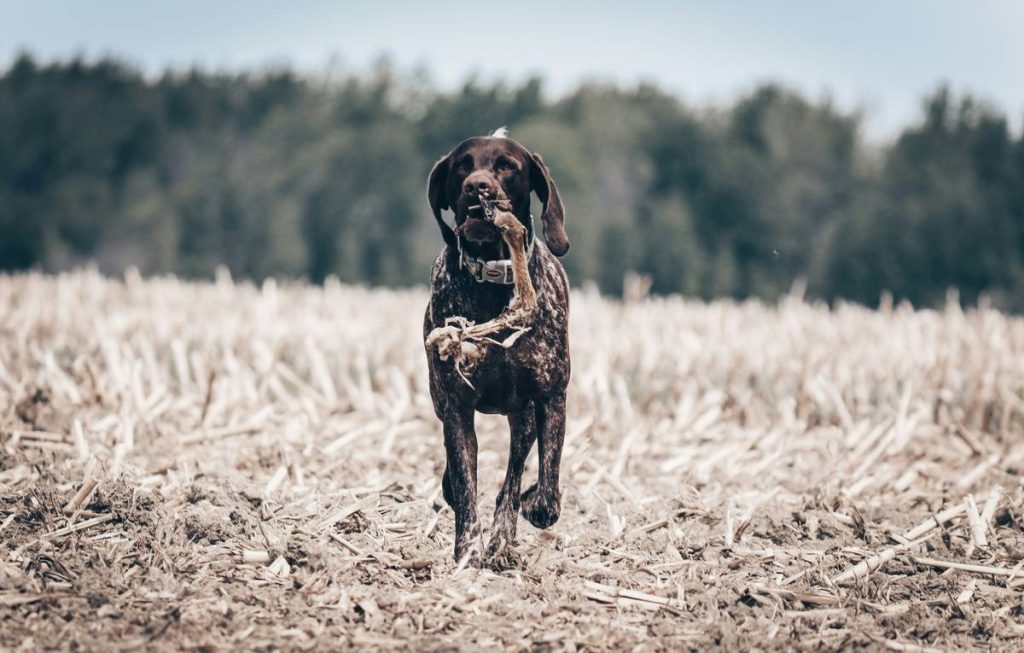
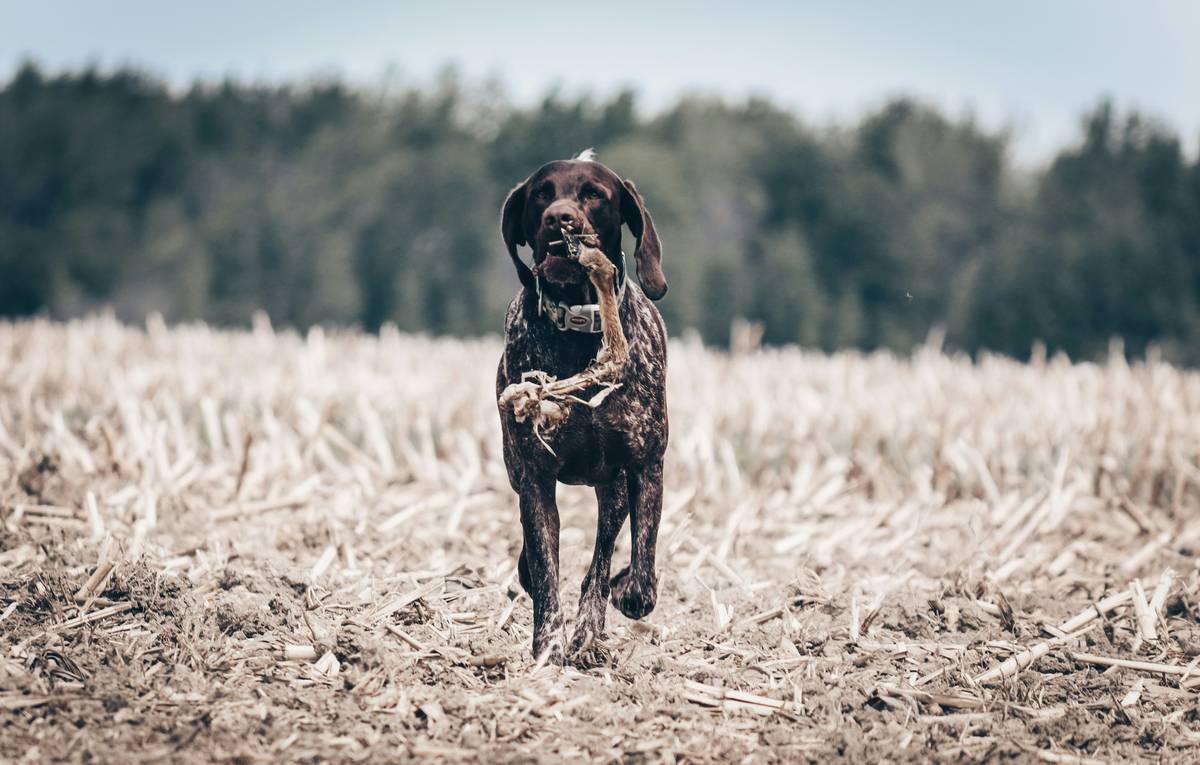
I learned this the hard way during a late-season quail hunt in South Dakota. My German Shorthaired Pointer, Duke, ignored his usual kibble after three hours in freezing cover. I’d assumed “high-protein” meant he’d eat anything—but cold, exhausted dogs are notoriously picky. He lost 4 pounds in two days. According to the American Kennel Club’s guidelines on working dog nutrition, sustained energy requires not just calories but consistent intake—which hinges entirely on palatability under stress.
How to Use Taste Test Kits Like a Pro
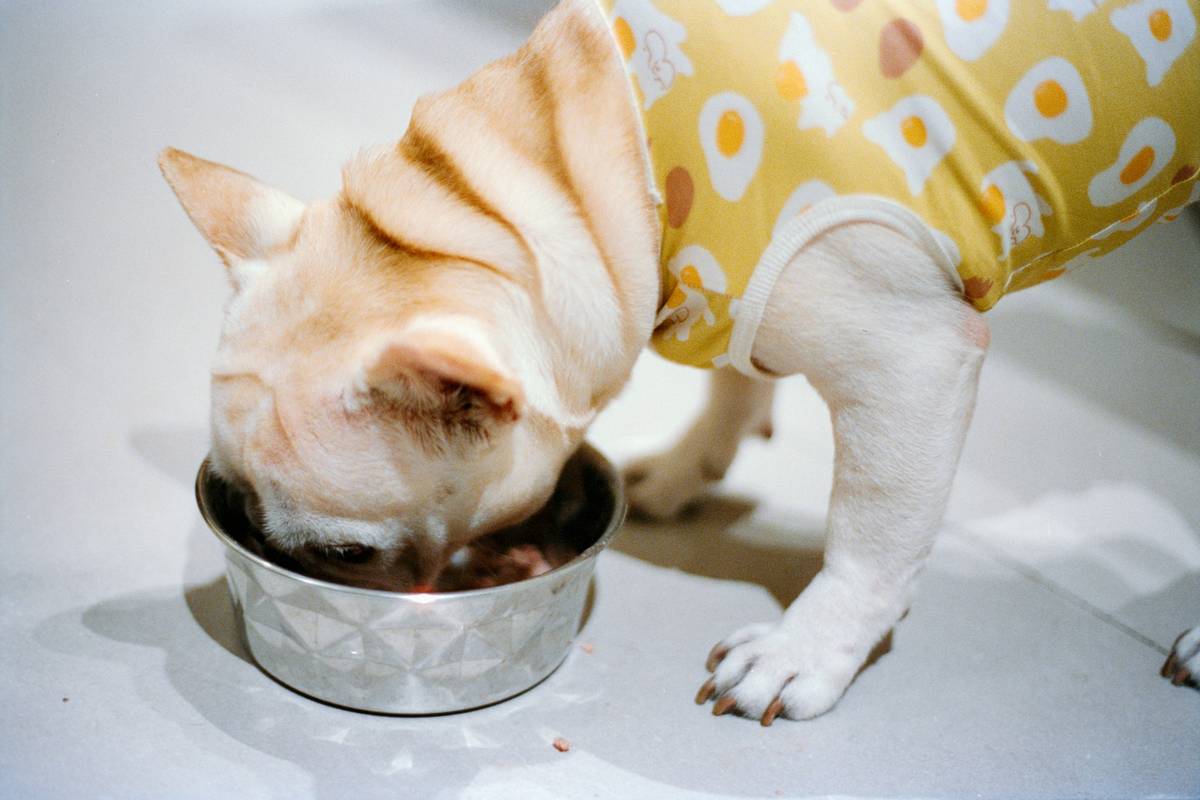
Taste Test Kits aren’t just snack packs—they’re diagnostic tools. Here’s how to run a valid trial:
Simulate Real Hunting Conditions
Test after physical exertion, not during lazy evenings. A tired dog’s taste sensitivity drops by up to 30% (NIH study on canine olfactory fatigue). Offer samples post-walk or post-training session.
Track Intake, Not Just Enthusiasm
Dogs may gobble one sample out of novelty but reject it later. Measure actual consumption over 24 hours across multiple meals.
Cross-Reference Ingredients
If your dog loves Sample A but gags on Sample B, check for common allergens like corn or soy—not just flavor. At Twild Wolf, we formulate kits with single-animal proteins so you can isolate variables.
5 Best Practices for Flavor Testing
- Start with two extremes: One game-based (e.g., rabbit), one poultry (e.g., duck). Most hunting dogs show strong leanings.
- Never mix samples: Serve separately to avoid confusing your dog’s feedback.
- Record notes immediately: Did they lick the bowl clean? Sniff and walk away? Tail wags matter less than bowl-scraping.
- Consider weather: Cold temps dull taste—warm meals slightly in winter trials.
- Respect satiety signals: If they stop eating mid-meal, don’t coax. Fullness ≠ dislike.
Real Results: From Picky Eater to Field Champion
Last fall, Minnesota handler Mark R. used our Taste Test Kits with his stubborn English Springer Spaniel, Scout. After rejecting three commercial brands, Scout devoured the venison-and-sweet-potato sample within seconds—and maintained it through a 12-hour grouse hunt. Within weeks, Scout’s coat thickened and his stamina improved enough to place top-three in a regional NAVHDA test. The key? Matching flavor intensity (gamey) with metabolic need (high-fat for cold climates). This mirrors findings from the University of Minnesota’s Canine Performance Nutrition program: dogs fed preferred flavors consume 18% more calories voluntarily during recovery phases.
Frequently Asked Questions
Are Taste Test Kits worth it for occasional hunters?
Absolutely. Even weekend hunters risk energy crashes if their dog eats inconsistently. A $25 kit prevents $200+ wasted on full bags your dog won’t touch.
How long should a taste trial last?
Minimum 3 days per sample under varied conditions (e.g., post-run, post-swim, rest day). Rushing leads to false preferences.
Can I use Taste Test Kits for puppies?
Yes—but choose kits labeled “all life stages.” Puppies need different fat ratios; always consult your vet first. See our Privacy Policy for data handling during consultations.
What if my dog likes all samples equally?
Prioritize ingredient quality over flavor. Opt for formulas with named meat sources (e.g., “beef meal” not “meat meal”) and omega fatty acids for coat health.
Do these kits include wet food options?
Most specialized hunting dog kits focus on dry kibble for shelf stability in the field—but some include freeze-dried toppers for added enticement.
How do I request custom flavors?
We love feedback! Share your dog’s ideal profile via our Contact Us page—we’ve added boar and elk based on customer requests.
Bottom line: Your hunting dog’s tongue holds the key to their endurance. Don’t gamble on bulk bags when a smart sampler reveals what truly fuels their drive. Grab a Taste Test Kit, honor their instincts, and watch them thrive mile after mile.
*A dog won’t chase birds on an empty stomach—but it will devour opportunity served fresh.*