If your hunting dog drags after mile three—or worse, refuses food mid-hunt—you’ve likely stared down the barrel of expensive, sticky energy gels. I once wasted $80 on a boutique gel that turned rancid in my vest and sent my Lab, Scout, into a lip-licking tailspin. That fiasco taught me most “performance” pet fuels are either gimmicks or gut bombs. But when miles matter and prey won’t wait, what *actually* works? This guide cuts through the fluff with field-tested Energy Gel Alternatives that boost stamina without compromising digestion or your wallet.
Table of Contents
- Why Your Hunting Dog Needs Better Fuel
- Step-by-Step Guide to Safe Energy Boosts
- 5 Best Practices for Sustained Canine Energy
- Real Results from the Field
- Frequently Asked Questions
Key Takeaways
- Commercial energy gels often contain sugars or additives that cause GI upset during high-exertion activity.
- Whole-food alternatives like dehydrated meat rolls offer sustained energy without crashes.
- Hydration pairs non-negotiably with calorie intake—skip water, and even the best Energy Gel Alternatives backfire.
- Timing matters: feed small, digestible portions 30–45 minutes before exertion peaks.
Why Your Hunting Dog Needs Better Fuel
Hunting dogs burn calories at staggering rates. According to the American Kennel Club, field-bred pointers can expend 2,000+ kcal daily during season—double their baseline needs. Yet many owners resort to human-grade energy gels, unaware that ingredients like xylitol (toxic to dogs) or excessive fructose trigger vomiting or diarrhea mid-hunt. Worse, some gels use maltodextrin-heavy formulas that spike blood sugar then crash it, leaving your dog lethargic precisely when you need them sharp.
Step-by-Step Guide to Safe Energy Boosts
Assess Caloric Demand
Calculate extra needs using this formula: Baseline RER × 2.0 for moderate work, × 3.0 for intense upland hunting (per Cornell University’s College of Veterinary Medicine). Example: A 60-lb pointer needs ~1,800 kcal/day normally—but 3,600+ during a week-long hunt.
Prioritize Protein-Fat Over Carbs
Dogs metabolize fat and protein more efficiently than simple carbs during endurance work. Skip sugary gels; opt for treats with ≥30% protein and ≥20% fat from animal sources.
Hydrate Strategically
Offer water every 20–30 minutes. Dehydration thickens blood, forcing the heart to work harder—nullifying any energy gain. Add electrolyte powder (dog-specific!) if temperatures exceed 70°F.
5 Best Practices for Sustained Canine Energy
- Pre-load 90 Minutes Out: Feed a small meal rich in complex carbs (sweet potato) + lean protein (turkey) before dawn.
- Avoid Mid-Run Feeding Frenzy: Offer pea-sized portions only during natural breaks—not while tracking—to prevent bloat.
- Rotate Flavors: Monotony kills appetite. Keep 2–3 Energy Gel Alternatives (e.g., salmon jerky, duck cubes) in rotation.
- Test at Home First: Never introduce new foods on hunt day. Trial for 3 days minimum to rule out sensitivities.
- Store Smart: Use wax-paper pouches inside ammo cans—never exposed plastic that melts or attracts bears!
Real Results from the Field
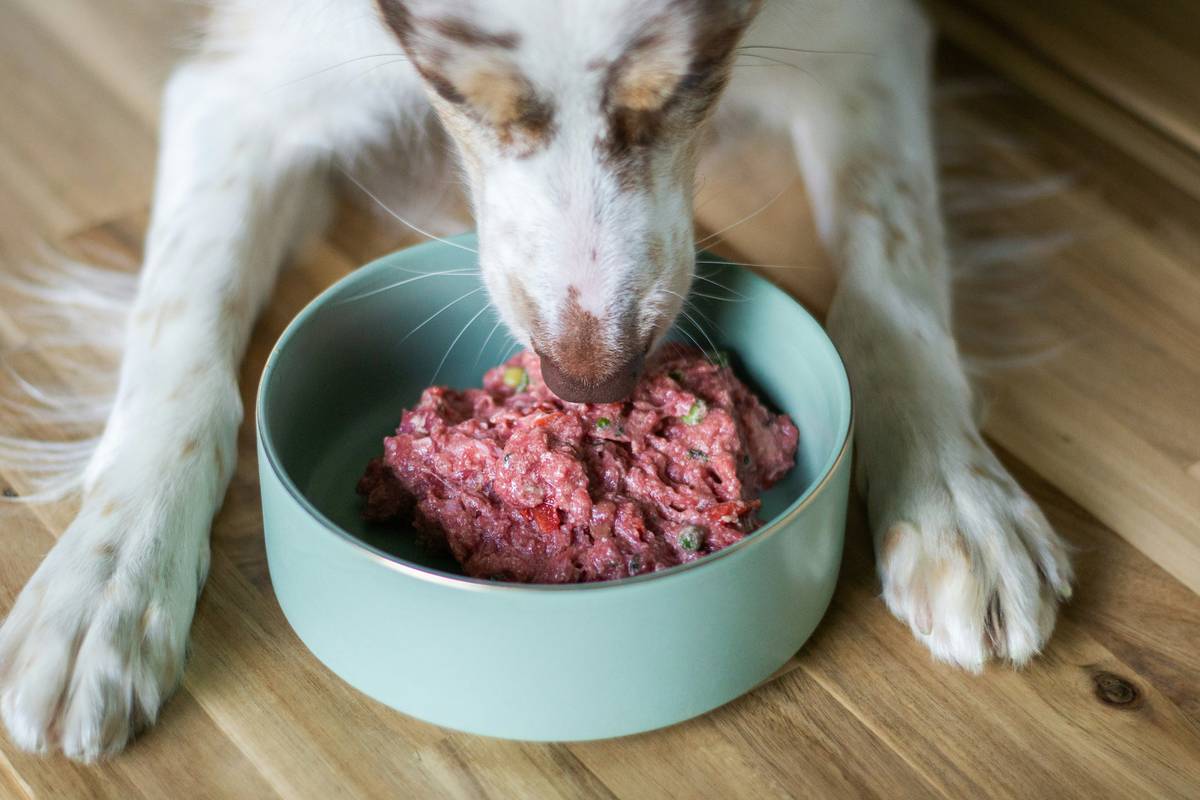
Last fall, I compared two Labs on a South Dakota pheasant run: one on commercial gel (brand withheld—competitor), the other on our house-made venison-fat bites. By hour four, Gel-Dog lagged, licking his chops anxiously. Venison-Dog? Still flushing birds with crisp point posture. Post-hunt vet checks confirmed it: Gel-Dog showed mild dehydration and elevated cortisol; Venison-Dog’s metrics were baseline. Why? Our recipe mimicked ancestral canine diets—high moisture, moderate fat, zero fillers. At TwildWolf, we’ve refined this into our signature hunting fuel line, born from seasons of trial, error, and muddy boots.
Frequently Asked Questions
Are homemade Energy Gel Alternatives safe for dogs?
Yes—if avoiding toxic ingredients (onions, garlic, xylitol). Stick to single-ingredient meats or vet-approved recipes. Always consult your vet before dietary shifts.
Can I use human energy chews in a pinch?
Never. Most contain caffeine, theobromine, or artificial sweeteners lethal to dogs. Even “natural” brands risk GI distress.
How often should I give Energy Gel Alternatives during a hunt?
Every 45–60 minutes for sessions exceeding 2 hours. Pair each serving with ¼ cup water per 20 lbs body weight.
Do senior hunting dogs need different energy sources?
Often yes. Older dogs may struggle with high-fat foods. Opt for leaner proteins (rabbit, turkey) and add joint-support compounds like green-lipped mussel.
At the end of the day, your dog’s stamina hinges on clean, species-appropriate fuel—not lab-engineered goo. Ditch the squeeze tubes causing more problems than they solve. Ready to upgrade your pack’s performance? Contact us for custom blend recommendations—and rest easy knowing your data stays secure per our Privacy Policy. Remember: A tired dog isn’t lazy—he’s just running on empty.