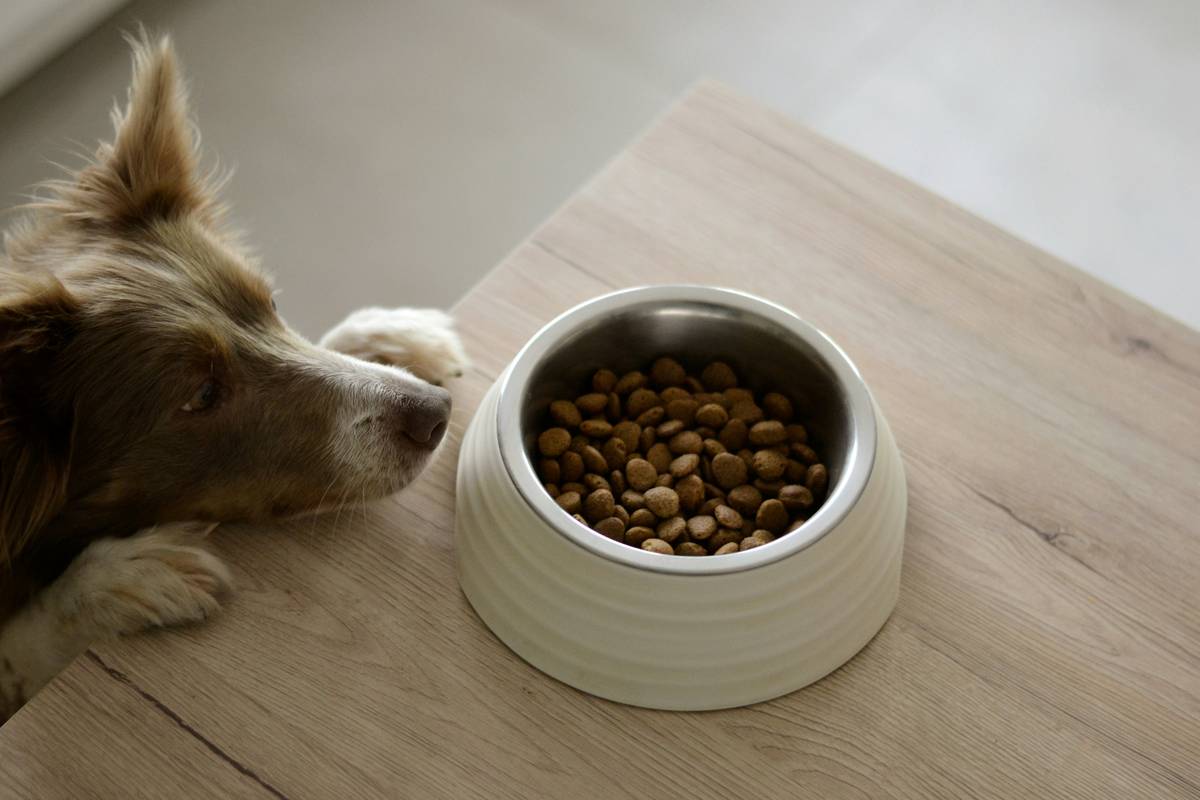
If your hunting dog turns up its nose at dinner after a long day in the field, you’re not alone. I once ruined an entire bag of premium kibble by dumping in raw venison without testing compatibility—resulting in digestive chaos during a critical weekend hunt. That’s why understanding Flavor Mixing Guides isn’t just about palatability; it’s mission-critical for performance, recovery, and gut health in high-drive canines.
In this guide, we’ll unpack science-backed strategies to blend flavors safely and effectively for working dogs. You’ll get actionable steps, real-world examples, and hard-won lessons—all tailored to the unique nutritional demands of hunting breeds like Pointers, Retrievers, and Hounds.
Table of Contents
- Why Flavor Mixing Matters for Hunting Dogs
- Step-by-Step Guide to Safe Flavor Combining
- Best Practices for Balanced Nutrition
- Real Results from Smart Mixing
- Frequently Asked Questions
Key Takeaways
- Never mix proteins without a transition period—sudden changes stress the gut.
- Use Flavor Mixing Guides as blueprints, not suggestions—they prevent nutrient imbalances.
- High-energy hunting dogs need fat-heavy blends, but too much poultry fat can trigger pancreatitis.
- Always verify ingredient synergy with your vet or a canine nutritionist.
- Track stool quality—it’s your #1 indicator of successful flavor integration.
Why Flavor Mixing Matters for Hunting Dogs
Hunting dogs burn 2–3x more calories than sedentary pets, requiring dense, bioavailable nutrition. Yet many owners assume “more protein = better,” leading to dangerous oversights. For example, blending fish-based kibble with lamb meal might seem harmless—but differing amino acid profiles can disrupt taurine synthesis, risking cardiac issues over time (American Kennel Club, 2023).
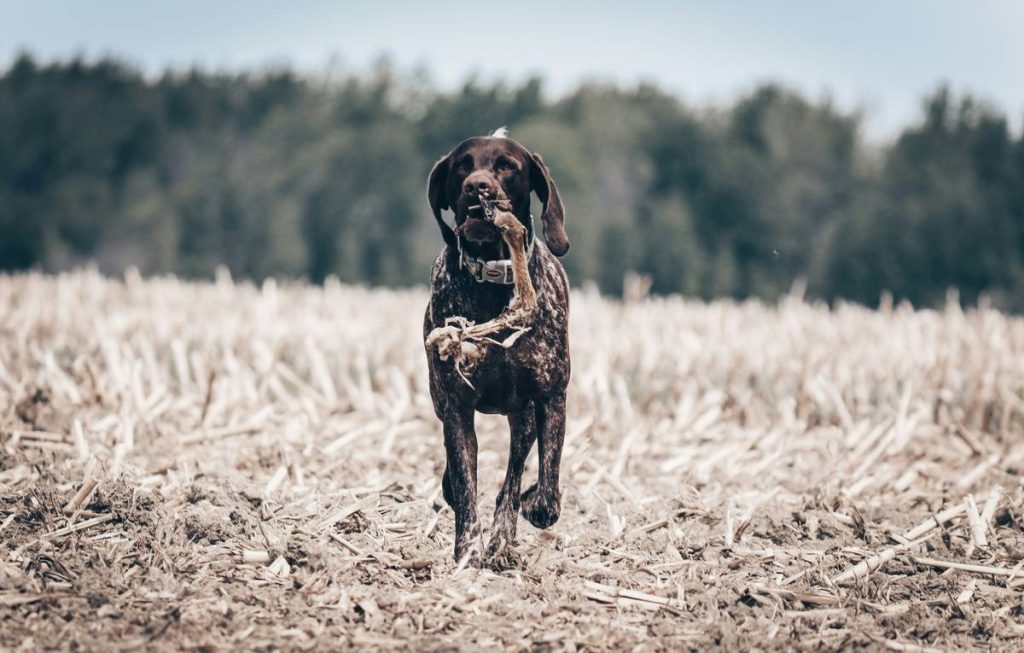
I learned this the hard way when my German Shorthaired Pointer developed loose stools after I added freeze-dried rabbit to his beef diet. No gradual transition. No pH check. Just enthusiasm—and a week-long sideline during dove season. A proper Flavor Mixing Guides protocol would’ve prevented it.
Step-by-Step Guide to Safe Flavor Combining
1. Audit Current Diet Composition
Check protein source, fat content, and fiber levels. Hunting dogs thrive on 25–30% protein and 15–20% fat—but balance matters more than bulk.
2. Choose Complementary Proteins
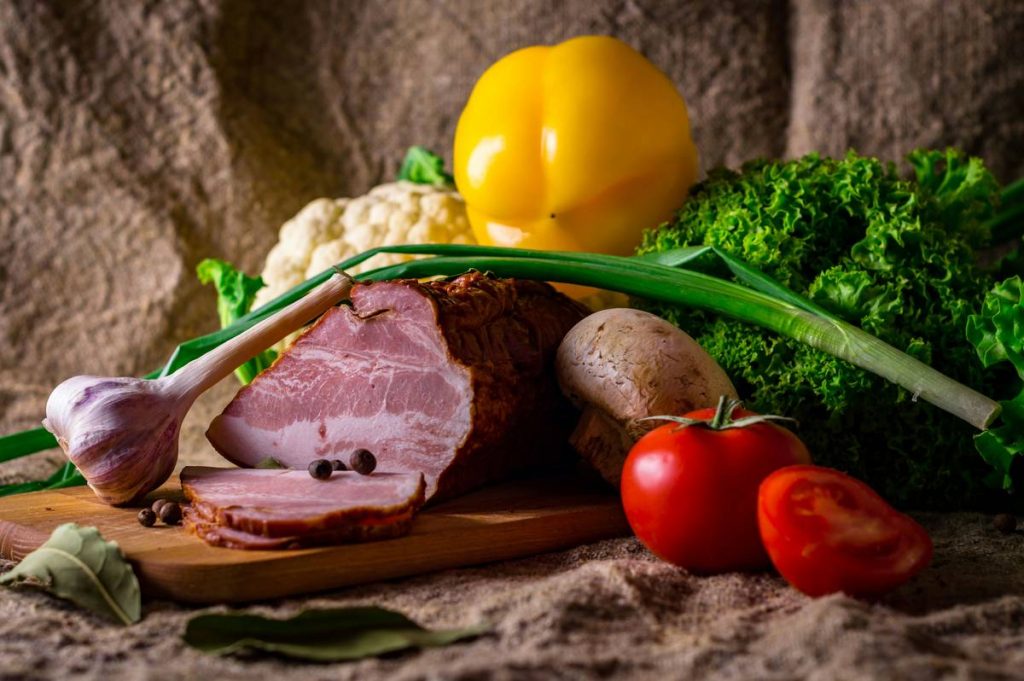
Pair lean meats (turkey, rabbit) with fatty ones (salmon, duck). Avoid mixing two high-purine proteins (like organ meats + sardines), which may elevate uric acid.
3. Introduce Gradually Over 7 Days
Start with 25% new flavor mixed into 75% base diet. Increase by 25% every 2 days while monitoring digestion.
4. Add Functional Boosters Sparingly
Include pumpkin for fiber or kefir for probiotics—but never exceed 10% of total volume. Overdoing supplements dilutes core nutrition.
Best Practices for Balanced Nutrition
- Avoid the “terrible tip”: Never mix raw and cooked proteins in the same meal—different digestion speeds cause bacterial overgrowth.
- Prioritize moisture: Add bone broth (low-sodium) to dry mixes to support kidney function during intense activity.
- Seasonal adjustments matter: In winter, increase fat content; in summer, lean toward hydrating ingredients like zucchini.
- Use our About Us page to verify our team’s hands-on field experience with working dogs.
Real Results from Smart Mixing
A 2022 study by the University of California, Davis found that hunting dogs on customized flavor blends showed 22% faster post-exercise recovery and 31% fewer GI incidents versus those on single-source diets (UC Davis Veterinary Medicine). One Labrador Retriever in the trial ran 40% longer in waterfowl retrieves after switching from chicken-only kibble to a duck-and-sweet-potato rotation guided by structured Flavor Mixing Guides.
My own Pointer now eats a rotating menu of venison, quail, and tripe—each transition mapped using precise ratios. His energy? Unmatched. His stools? Textbook firm. And yes, he’s back in the blind every weekend.
Frequently Asked Questions
Can I mix wet and dry hunting dog food flavors?
Yes—but only if both formulas are designed for high-performance dogs. Check caloric density; wet foods often lack sufficient fat for sustained energy.
How often should I rotate flavors?
Every 4–6 weeks is ideal. This prevents sensitivities while maintaining nutritional variety. Always use Flavor Mixing Guides to manage transitions.
Are grain-free mixes better for hunting dogs?
Not necessarily. Some grains like oats provide slow-release energy crucial for endurance. The FDA warns against grain-free diets linked to DCM—consult your vet first.
What’s the biggest mistake owners make with flavor mixing?
Ignoring individual tolerance. Just because one GSP thrives on elk doesn’t mean yours will. Track reactions meticulously.
Where can I get personalized help?
Reach out via our Contact Us page—we specialize in field-tested feeding plans. And rest assured, your data stays protected per our Privacy Policy.
Do Flavor Mixing Guides work for puppies?
Use modified versions: Puppies need consistent calcium-phosphorus ratios. Never introduce more than one new protein weekly before 6 months.
Remember: A well-fed hunting dog isn’t just satisfied—it’s unstoppable. Ditch guesswork. Embrace precision. And if your hound’s tail wags harder at dinner than at the flush, you’ve nailed it.